https://businessnexo.com/
The boylecheloid flower stands as one of nature’s most intriguing botanical specimens, captivating gardeners and flower enthusiasts with its unique characteristics and remarkable adaptability. While relatively uncommon in mainstream gardening, this extraordinary bloom has garnered a devoted following among those who appreciate rare and distinctive flora. Understanding the boylecheloid flower’s requirements and potential can transform any garden into a showcase of botanical diversity.
The Fascinating Origins and Meaning
The boylecheloid flower carries a rich history that intertwines botanical science with cultural significance. Named after the renowned botanist Dr. Margaret Boyle, who first documented this species during her expeditions in the early 20th century, the flower represents perseverance and discovery. In the language of flowers, it symbolizes hidden beauty and the rewards of patience—fitting attributes given the plant’s growth patterns and blooming cycle.
Throughout various cultures, this remarkable bloom has acquired different symbolic meanings. In traditional herbalism circles, it represents transformation and healing, while gardening communities view it as a badge of horticultural expertise. The flower’s relatively recent introduction to cultivation means its symbolic language continues to evolve, making it a living testament to our ongoing relationship with the plant kingdom.
Physical Characteristics and Varieties
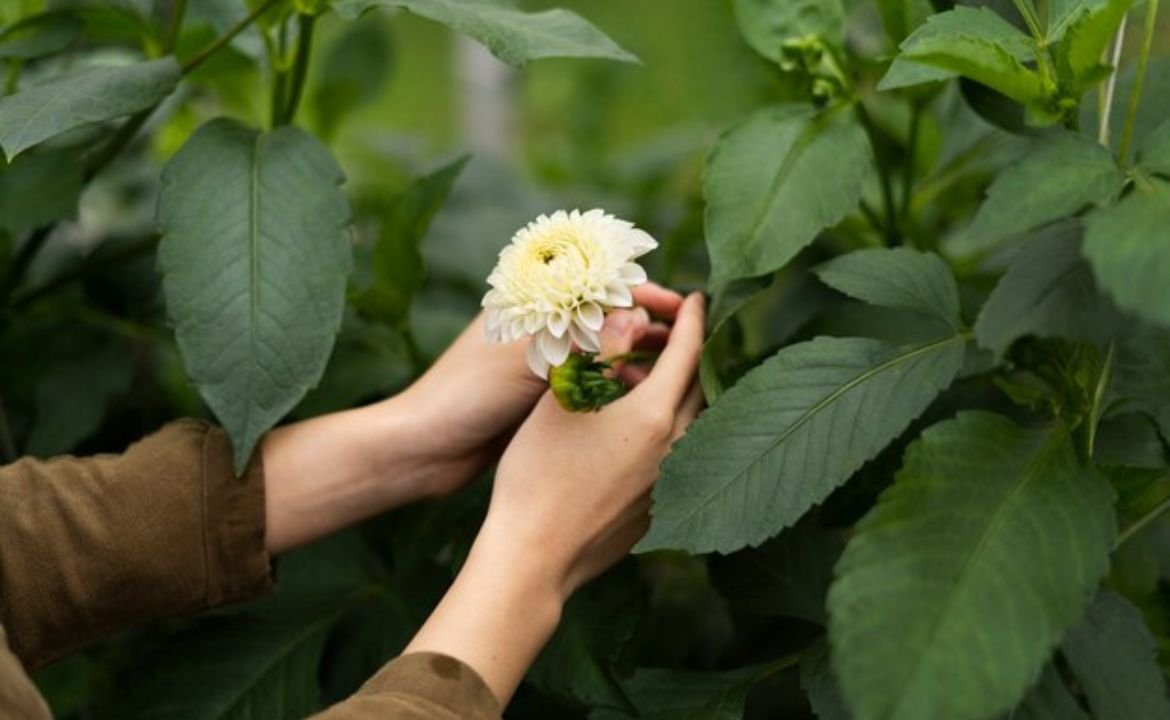
The boylecheloid flower presents distinctive visual features that make it immediately recognizable to those familiar with the species. The blooms typically display vibrant petals arranged in a spiral formation, creating a mesmerizing geometric pattern. Colors range from deep purples and blues to softer lavenders and whites, with some cultivated varieties exhibiting striking bi-color combinations.
The plant itself reaches moderate heights, generally between 18 to 30 inches, making it suitable for both container gardening and garden beds. Its foliage features elongated leaves with serrated edges and a subtle silvery-green hue that provides visual interest even when the plant isn’t flowering. Several cultivated varieties have emerged over the years, each offering slight variations in bloom size, color intensity, and growing habits.
Practical Uses and Applications
Beyond its ornamental value, the boylecheloid flower serves numerous practical purposes. In garden design, it functions exceptionally well as a mid-border plant, providing vertical interest and seasonal color. The blooms are long-lasting when cut, making them excellent additions to floral arrangements and bouquets. Many florists prize these flowers for their unique appearance and ability to maintain freshness for up to two weeks with proper care.
Traditional medicine practitioners have explored various applications of this plant, though modern gardeners primarily cultivate it for aesthetic purposes. The flowers attract beneficial pollinators, including butterflies and certain bee species, making them valuable additions to pollinator gardens. Some gardeners also report that the plant’s foliage has natural pest-deterrent properties, potentially protecting neighboring plants from common garden insects.
In landscape design, these blooms work beautifully in cottage gardens, perennial borders, and naturalized settings. Their moderate size and attractive foliage make them versatile enough for formal gardens while maintaining enough wild character for informal plantings. The dried flower heads also provide winter interest and can be incorporated into dried flower arrangements.
Essential Growing Tips for Success
Successfully cultivating the boylecheloid flower requires understanding its specific environmental preferences. These plants thrive in well-draining soil enriched with organic matter. A slightly acidic to neutral pH range (6.0 to 7.0) provides optimal growing conditions. Before planting, amend heavy clay soils with compost and sand to improve drainage, as waterlogged roots can lead to rot and disease.
Light Requirements: These flowers perform best in partial shade to full sun conditions. In regions with intense summer heat, afternoon shade helps prevent stress and extends the blooming period. Morning sun exposure encourages robust flowering while protecting delicate petals from scorching.
Watering Needs: Maintain consistent moisture without oversaturation. During the growing season, water deeply once or twice weekly, allowing the top inch of soil to dry between waterings. Reduce watering frequency during dormant periods, but never allow the soil to become completely parched.
Fertilization Schedule: Apply a balanced, slow-release fertilizer in early spring as new growth emerges. Supplement with liquid fertilizer every four to six weeks during active growth. Avoid high-nitrogen formulations that promote foliage at the expense of blooms.
Pruning and Maintenance: Remove spent flowers regularly to encourage continued blooming and prevent seed formation, which can drain the plant’s energy. Cut back foliage to ground level after the first hard frost in fall. This cleanup prevents disease and prepares plants for winter dormancy.
Propagation Methods
Gardeners can propagate these plants through several methods. Division of established clumps every three to four years rejuvenates plants and provides new specimens. Perform division in early spring before active growth begins. Carefully separate the root mass into sections, ensuring each division has adequate roots and several growth points.
Seed propagation offers another viable option, though plants grown from seed may take two to three years to reach flowering maturity. Collect seeds from dried flower heads in late fall and stratify them in the refrigerator for six to eight weeks before spring sowing. This cold treatment mimics natural winter conditions and improves germination rates.
Common Challenges and Solutions
Like all plants, the boylecheloid flower faces certain challenges. Aphids and spider mites occasionally infest new growth. Address minor infestations with strong water sprays or insecticidal soap applications. Powdery mildew can develop in humid conditions with poor air circulation. Ensure adequate spacing between plants and avoid overhead watering to minimize fungal issues.
Root rot presents the most serious threat, typically resulting from excessive moisture. Plant in raised beds or mounds if your garden has drainage issues. Mulching helps regulate soil moisture and temperature while suppressing weeds that compete for resources.
Conclusion
The boylecheloid flower rewards patient gardeners with spectacular blooms and minimal maintenance requirements once established. Its combination of beauty, symbolism, and practical benefits makes it a worthwhile addition to diverse garden settings. Whether you’re an experienced horticulturist seeking unusual specimens or a beginner looking for a conversation-starting plant, this remarkable flower deserves consideration. By following these growing tips and understanding its cultural requirements, you can successfully cultivate these stunning blooms and enjoy their unique presence for years to come.