
Introduction
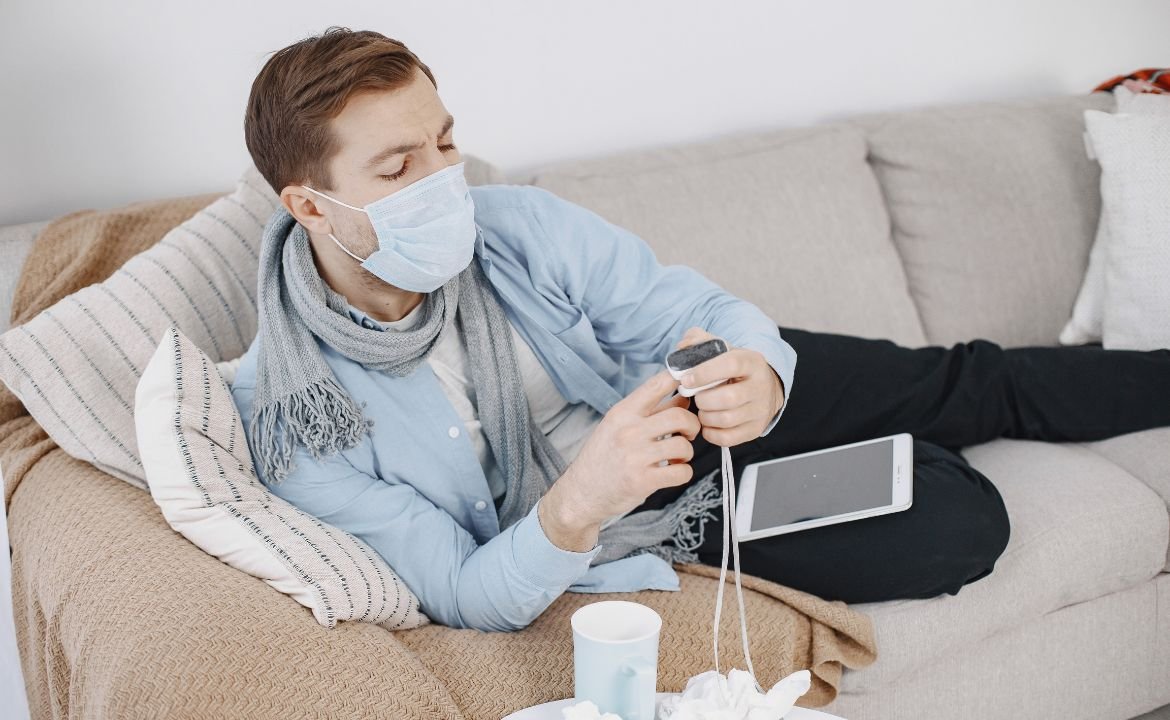
Taking charge of your health doesn’t always require a visit to the doctor’s office. In today’s fast-paced world, understanding the basic signals your body sends can make a significant difference in early detection and prevention of many health issues. Fortunately, there are several simple health check methods you can practice in the comfort of your own home, requiring little to no equipment. These easy routines empower you to stay proactive about your wellbeing and catch potential problems before they become serious.
Why Home Health Monitoring Matters
Preventive healthcare is one of the most powerful tools we have. Regular self-checks help you establish what is “normal” for your body, making it easier to notice when something changes. Doctors routinely encourage patients to monitor their own health between clinical visits, especially for those managing chronic conditions like diabetes, hypertension, or heart disease. Home monitoring also reduces unnecessary emergency room visits and gives healthcare providers more accurate data when you do go in for a checkup.
1. Checking Your Resting Heart Rate
Your heart rate is one of the most telling indicators of your cardiovascular health. To measure it, sit quietly for five minutes and then place two fingers (index and middle) on the inside of your wrist, just below the base of your thumb. Count the beats for 60 seconds, or count for 30 seconds and multiply by two.
A normal resting heart rate for adults ranges from 60 to 100 beats per minute. Athletes may have a lower resting heart rate, sometimes as low as 40 bpm, which is generally considered a sign of good cardiovascular fitness. A consistently high resting heart rate (above 100 bpm) or an irregular rhythm warrants a conversation with your doctor.
2. Monitoring Your Blood Pressure at Home
High blood pressure, or hypertension, is often called the “silent killer” because it frequently causes no noticeable symptoms until serious damage has occurred. Home blood pressure monitors are widely available and relatively affordable, making this one of the most practical simple health check methods for adults of any age.
To get an accurate reading:
- Sit quietly for five minutes before measuring.
- Place the cuff on your upper arm, at heart level.
- Avoid caffeine, exercise, and smoking for at least 30 minutes beforehand.
- Take two or three readings, two minutes apart, and average the results.
A healthy reading is generally below 120/80 mmHg. Readings consistently at or above 130/80 mmHg suggest elevated blood pressure and should be discussed with a healthcare provider.
3. Skin Self-Examination
Skin cancer is among the most common cancers worldwide, yet it is also one of the most preventable and treatable when caught early. Performing a monthly skin self-exam is one of the most underrated simple health check methods available.
Stand in front of a full-length mirror in a well-lit room. Examine your entire body, including areas not easily seen, such as your scalp, between your toes, and the soles of your feet. Use a handheld mirror to check your back and the back of your legs.
Use the ABCDE rule to evaluate any moles or skin spots:
- A – Asymmetry: One half doesn’t match the other.
- B – Border: Edges are ragged, notched, or blurred.
- C – Color: Multiple shades of brown, black, red, white, or blue.
- D – Diameter: Larger than a pencil eraser (6mm).
- E – Evolving: The spot is changing in size, shape, or color.
If you notice any of these signs, consult a dermatologist promptly.
4. Testing Your Vision
Your eyesight can change gradually without you even realizing it. A simple way to monitor your vision at home is to use an online Snellen chart (the standard eye chart with rows of letters). Print one out or display it on a screen, stand at the recommended distance (usually 10 to 20 feet), and test each eye individually by covering the other.
Signs that your vision may be declining include difficulty reading small print, frequent headaches after screen time, squinting to see distant objects, or noticing halos around lights at night. While a home vision test doesn’t replace a professional eye exam, it serves as a useful indicator to know when it’s time to schedule one.
5. Checking Your Body Temperature
Body temperature is one of the oldest and most reliable indicators of health. A normal temperature is typically around 37°C (98.6°F), though this varies slightly from person to person and throughout the day.
A digital thermometer is inexpensive and easy to use. You can take your temperature orally, under the armpit, or (for young children) rectally. A temperature above 38°C (100.4°F) is generally considered a fever in adults and may indicate infection or inflammation. A consistently low temperature (below 36°C / 96.8°F) can also be a sign of certain medical conditions.
Keeping track of your baseline temperature when you’re healthy makes it easier to recognize when something is off.
6. Urine Color Assessment
This may sound unusual, but the color of your urine is a surprisingly effective window into your hydration levels and kidney health. Ideally, urine should be pale yellow — similar to lemonade. Dark yellow or amber urine usually means you need to drink more water. Colorless urine can indicate overhydration.
More concerning colors include:
- Pink or red: Could signal blood in the urine, possibly from a urinary tract infection, kidney stones, or more serious conditions.
- Orange: May indicate liver or bile duct issues, or severe dehydration.
- Cloudy or foamy: Could suggest a kidney problem or urinary tract infection.
If unusual colors persist beyond a day and are not explained by food or medications (beets can turn urine pink, for example), seek medical advice.
7. Checking Your Breathing Rate
Counting how many breaths you take per minute is one of the simplest simple health check methods that most people overlook. A normal breathing rate for an adult at rest is 12 to 20 breaths per minute.
To measure it, sit quietly, set a timer for one minute, and count the number of times your chest or abdomen rises. Breathing that is consistently faster or slower than normal, or that feels labored during minimal activity, could point to respiratory issues, anxiety, or cardiovascular problems.
8. Checking Your Reflexes and Balance
Balance is closely linked to neurological health, and simple balance tests can reveal early signs of vestibular or neurological decline. Try the following:
Single-leg stand test: Stand near a wall for safety, lift one foot a few inches off the ground, and hold for 30 seconds. Repeat on the other side. Adults under 60 should be able to hold this comfortably; those over 60 for at least 10 seconds without swaying.
Tandem walk: Walk in a straight line, placing one foot directly in front of the other, heel to toe, for 10 steps. Difficulty with this may indicate balance or inner ear issues.
9. Monitoring Your Weight and Waist Circumference
While the scale alone doesn’t tell the full story, tracking your weight over time can flag gradual gains or losses that might otherwise go unnoticed. Sudden, unexplained weight loss or gain (more than 5% of body weight in 6–12 months) deserves medical attention.
Equally important is your waist circumference. Excess abdominal fat is linked to a higher risk of heart disease, type 2 diabetes, and metabolic syndrome. A healthy waist measurement is generally below 94 cm (37 inches) for men and below 80 cm (31.5 inches) for women.
10. Breast and Testicular Self-Examination
Monthly self-exams for breast and testicular cancer are among the most critical simple health check methods for early detection.
Breast self-exam: Once a month (ideally a few days after your period), lie down and use the pads of your fingers to feel each breast in a circular motion, from the nipple outward. Check for lumps, thickening, dimpling of skin, or nipple discharge.
Testicular self-exam: After a warm shower (when the scrotum is relaxed), gently roll each testicle between your fingers. Feel for any hard lumps, changes in size, or areas of tenderness. Most testicular cancers are first detected by individuals themselves.
When to See a Doctor
Home health checks are a powerful supplement to professional care — not a replacement. If you notice anything unusual or persistently abnormal during your self-checks, schedule an appointment with your healthcare provider. Never delay seeking medical advice because you’re unsure whether something is serious.
Conclusion
Your health is your most valuable asset, and staying informed about your body’s signals is the first step in protecting it. The simple health check methods outlined in this article are easy to incorporate into your weekly routine and require minimal equipment. Whether you’re monitoring your heart rate, inspecting your skin, or checking your urine color, these small, consistent habits build a foundation of awareness that can lead to earlier detection, better outcomes, and a longer, healthier life. Start with one or two checks today — your future self will thank you.








Leave a Reply